
What Actually Falls Apart Without a Wedding Planner

Planning a wedding in Chennai or Bangalore? Here’s what quietly goes wrong without a full-service wedding planner—and how Haritham ensures nothing slips.

When Traditions Are Treated Like Checklist Items
At most weddings, nothing “goes wrong” in a way that makes announcements or creates visible chaos; instead, it shows up in the quieter, more intimate layers of the ceremony, where something feels slightly off even if no one can immediately articulate it. In South Indian weddings especially, rituals aren’t just procedural—they carry memory, identity, and a sense of continuity that families hold onto deeply, which is why even a small deviation, like a missing pooja samagri item or a sequence that gets rushed because a vendor is running late, can create a subtle but unmistakable discomfort that lingers in the background.
You see it in expressions.
An older relative pauses for just a second, someone gently steps in to correct something mid-ritual, or there’s a soft comment about how “this is usually done differently,” and while none of this derails the wedding, it shifts the emotional texture of the moment in a way that’s hard to recover from.
Without an experienced, end-to-end wedding planner who already understands these nuances across families, languages, and traditions, the responsibility of holding that cultural accuracy together falls back on the family—often on the very people who should be fully present in those moments—whereas at Haritham, this isn’t something you need to explain or supervise, because we’ve already internalized it through years of planning deeply traditional weddings across Chennai and Bangalore, where every family brings its own version of what “correct” looks like—and expects it to be understood without explanation.
The Calm You See Is Usually Built on Someone Else’s Stress
A wedding that looks effortless from the outside is almost always the result of intense, continuous coordination happening just out of sight, where timelines are being adjusted in real time, vendors are being nudged and aligned, and small decisions are being made every few minutes to keep everything moving in sync. What most people don’t realize until they’re in the middle of planning their own wedding is just how many parallel tracks are running at once—decor being installed while lighting is tested, catering moving from prep to service while guests begin to gather, transportation schedules shifting as arrivals don’t go exactly as planned—and without a single point of control, these tracks start to drift.
It builds quietly.
In the absence of a planner, this responsibility doesn’t disappear; it simply transfers, usually landing on a sibling, a cousin, or sometimes even the couple themselves, who end up fielding calls, answering questions, and making decisions in between getting ready, greeting guests, and trying to stay emotionally present.
At Haritham, this layer is absorbed entirely into our system—we don’t eliminate unpredictability, but we contain it, so that what reaches you and your family feels calm, even when a hundred adjustments are happening in the background.
The Kind of Details You Only Notice When They’re Missing
There’s a category of wedding planning that doesn’t live in mood boards or checklists, but in lived experience—the kind that only comes from seeing the same patterns play out across multiple weddings and recognizing where people consistently get caught off guard. Guest arrivals are a perfect example: on paper, hotel check-ins are straightforward, but in reality, guests often arrive tired, slightly disoriented, and missing small but essential items, especially in the context of Indian weddings where attire, accessories, and quick fixes become unexpectedly urgent.
And then it starts.
Someone needs a saree pin. Someone else forgot basic toiletries. A blouse needs a last-minute adjustment. None of these are major issues on their own, but together, they create a steady stream of interruptions that the family ends up managing, often during already tight schedules.
At Haritham, we design for these moments in advance, curating welcome kits that go beyond standard hospitality and actually reflect what guests tend to need in real situations, because we’ve seen what happens when these details are left to chance—and more importantly, we’ve seen the difference it makes when they aren’t.
Budgets Rarely Break in One Place—They Leak Everywhere
One of the more subtle challenges in wedding planning is that budgets don’t usually collapse under one big decision; instead, they stretch and thin out across multiple smaller choices that feel justified in isolation but collectively create imbalance. It’s easy to get drawn into spending on elements that are visually striking or immediately gratifying—an elaborate decor installation, an upgrade that feels “worth it” in the moment—without always having the context to evaluate how much that decision actually contributes to the overall experience.
The trade-offs aren’t obvious at first.
We’ve seen weddings where a significant portion of the budget goes into decor that photographs beautifully but doesn’t translate into guest comfort, while areas like catering flow, seating, or logistics are under-resourced, leading to an experience that looks polished but feels strained. Especially in cities like Chennai and Bangalore, where vendor quality and pricing can vary widely, knowing who actually delivers versus who only promises makes a bigger difference than most couples initially realise.
At Haritham, budgeting is less about restriction and more about calibration—we understand where investment creates meaningful impact and where it doesn’t, allowing us to guide decisions in a way that aligns with both your vision and the lived experience of your guests.
When Coordination Becomes a Full-Time Job No One Signed Up For
Managing vendors isn’t just about confirming bookings and timelines; it’s about continuously aligning multiple independent teams who are each operating with their own constraints, priorities, and assumptions, which means that even small misalignments can ripple across the entire event. A delay in decor setup can affect photography schedules, a shift in catering timing can disrupt guest flow, and transportation hiccups can throw off carefully planned sequences.
And it rarely stays contained.
Without a planner, families often find themselves stepping into this coordination role by default, taking calls, relaying information, resolving conflicts, and making quick decisions without always having the full picture, which turns what should be a deeply personal and immersive experience into something that feels fragmented and occasionally overwhelming.
At Haritham, we treat vendor coordination as a single, integrated system rather than a collection of separate interactions, working directly with trusted sources, eliminating unnecessary intermediaries, and ensuring that every moving part is aligned with the larger flow of the wedding.
When Weddings Span Countries, Not Just Cities
There’s a different layer of complexity when the couple—or even half the guest list—is flying in from abroad, because the wedding isn’t just an event anymore, it becomes a carefully coordinated experience across time zones, expectations, and very different ideas of what “normal” looks like.
It requires a different kind of planning.
We’ve had the privilege of working with many NRI couples who choose to get married back home, and what they need goes far beyond standard logistics—guests arriving from different countries, unfamiliar with local customs, food formats, timelines, even simple things like how events flow or what to expect next.
And then there’s the blend.
Foreign guests who need guidance without feeling overwhelmed, Indian families who want traditions done right without compromise, and both groups needing to feel equally comfortable and taken care of—it’s a balance that’s easy to underestimate until you’re in it.
At Haritham, this is something we’ve learned to navigate intuitively over time, managing guest experiences in a way that feels seamless across cultures, so no one feels lost, out of place, or unsure at any point in the wedding.
The Moment Food Becomes a Problem, Everything Feels Different
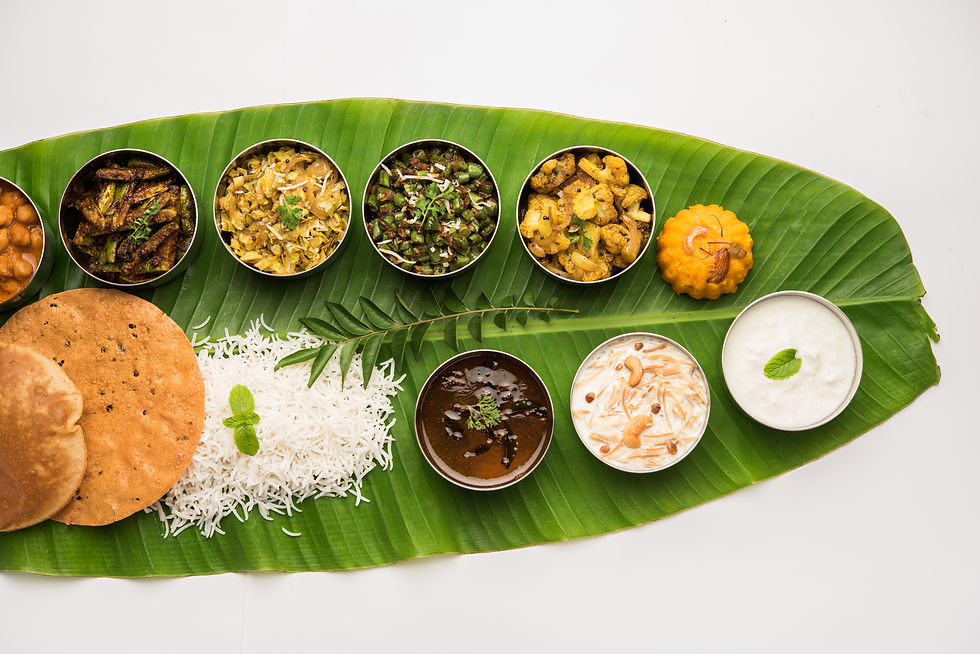
Food holds a unique place in Indian weddings—it’s not just about taste or variety, but about hospitality, generosity, and the unspoken promise that every guest will be taken care of. When that promise is even slightly compromised—when a dish runs out, when service slows down, when guests have to wait or ask—it creates a shift in the atmosphere that is hard to ignore, even if no one openly complains.
It changes the energy.
We’ve seen how quickly this can happen when guest numbers are underestimated or when planning doesn’t fully account for the fluid nature of attendance, where last-minute additions are not exceptions but expectations.
At Haritham, we plan with this reality in mind, factoring in not just the numbers you give us but the patterns we’ve observed across hundreds of weddings, which is why we have consistently ensured that food is never something guests have to worry about or even think about during the event.
What Stays With You After the Wedding Is Over
When you look back at a wedding, what lingers isn’t just how it looked, but how it felt—whether you were able to sit with your grandparents without being interrupted, whether conversations flowed without the constant pull of logistics, whether the day unfolded in a way that allowed you to be fully present rather than partially occupied.
That difference is everything.
Over time, we’ve noticed something quietly reassuring: a lot of our Chennai and Bangalore families come back to us this way—not just for another wedding, but for the next celebration, or they send us someone they care about, because the experience felt taken care of in a way that stayed with them long after the event itself.
That kind of trust isn’t built in a day.
It comes from doing this, again and again, until people don’t just remember the wedding—they remember how easy it felt to be part of it.


Comments